Authority Through Typography
Typography communicates tone before content is read. The right type choices establish authority, restraint, and trust.

Sofia Karim
Brand Designer
6
min
read
Introduction
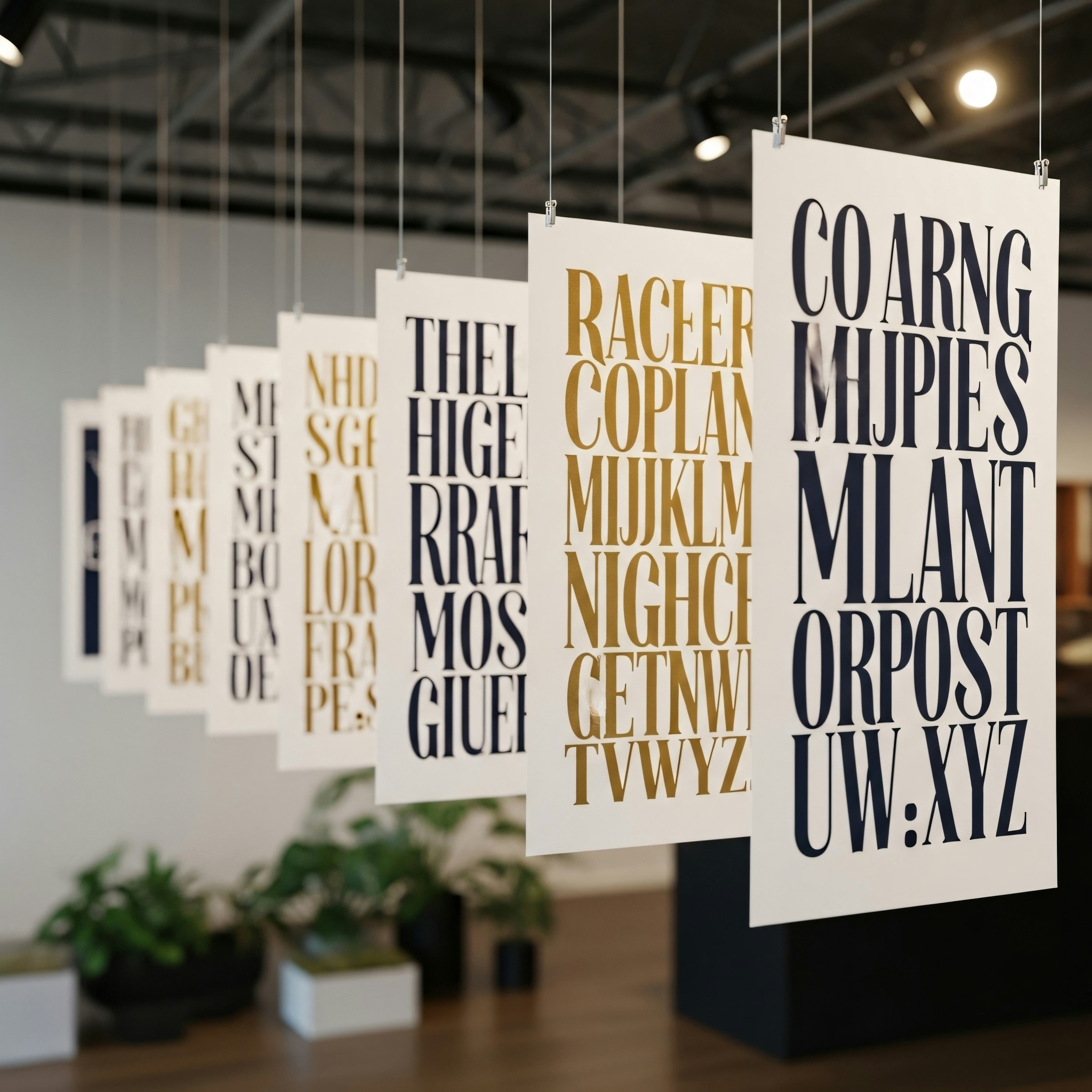
Typography is often treated as a decorative choice. In reality, it is one of the strongest carriers of brand identity. The way text is set, spaced, and scaled communicates tone before content is read.
Authoritative brands use typography with restraint. They rely on clear hierarchy and consistent scales. Headlines establish presence. Body text ensures readability. Supporting text reinforces structure. When these elements align, the interface feels controlled.
Typography also affects perception of trust. Clean, consistent type suggests professionalism. Irregular type suggests inconsistency. Users associate clarity with competence. This makes typography a critical component of credibility.
Establishing hierarchy
Clear type scales ensure that headings, subheadings, and body text maintain consistency. This allows users to scan content quickly and understand structure intuitively.
Tone and perception
Strong typography conveys authority. Neutral typefaces with precise spacing create a sense of control and professionalism. Excessive variation weakens identity.
Premium brands limit their type palette. They use fewer fonts but apply them with discipline.
Final thought
Typography is not an afterthought. It is the voice of the brand.

Authority Through Typography
Typography communicates tone before content is read. The right type choices establish authority, restraint, and trust.
Sofia Karim
Brand Designer
6
min
read
Introduction
Typography is often treated as a decorative choice. In reality, it is one of the strongest carriers of brand identity. The way text is set, spaced, and scaled communicates tone before content is read.
Authoritative brands use typography with restraint. They rely on clear hierarchy and consistent scales. Headlines establish presence. Body text ensures readability. Supporting text reinforces structure. When these elements align, the interface feels controlled.
Typography also affects perception of trust. Clean, consistent type suggests professionalism. Irregular type suggests inconsistency. Users associate clarity with competence. This makes typography a critical component of credibility.
Establishing hierarchy
Clear type scales ensure that headings, subheadings, and body text maintain consistency. This allows users to scan content quickly and understand structure intuitively.
Tone and perception
Strong typography conveys authority. Neutral typefaces with precise spacing create a sense of control and professionalism. Excessive variation weakens identity.
Premium brands limit their type palette. They use fewer fonts but apply them with discipline.
Final thought
Typography is not an afterthought. It is the voice of the brand.
Authority Through Typography
Typography communicates tone before content is read. The right type choices establish authority, restraint, and trust.
Sofia Karim
Brand Designer
6
min
read
Introduction
Typography is often treated as a decorative choice. In reality, it is one of the strongest carriers of brand identity. The way text is set, spaced, and scaled communicates tone before content is read.
Authoritative brands use typography with restraint. They rely on clear hierarchy and consistent scales. Headlines establish presence. Body text ensures readability. Supporting text reinforces structure. When these elements align, the interface feels controlled.
Typography also affects perception of trust. Clean, consistent type suggests professionalism. Irregular type suggests inconsistency. Users associate clarity with competence. This makes typography a critical component of credibility.
Establishing hierarchy
Clear type scales ensure that headings, subheadings, and body text maintain consistency. This allows users to scan content quickly and understand structure intuitively.
Tone and perception
Strong typography conveys authority. Neutral typefaces with precise spacing create a sense of control and professionalism. Excessive variation weakens identity.
Premium brands limit their type palette. They use fewer fonts but apply them with discipline.
Final thought
Typography is not an afterthought. It is the voice of the brand.